
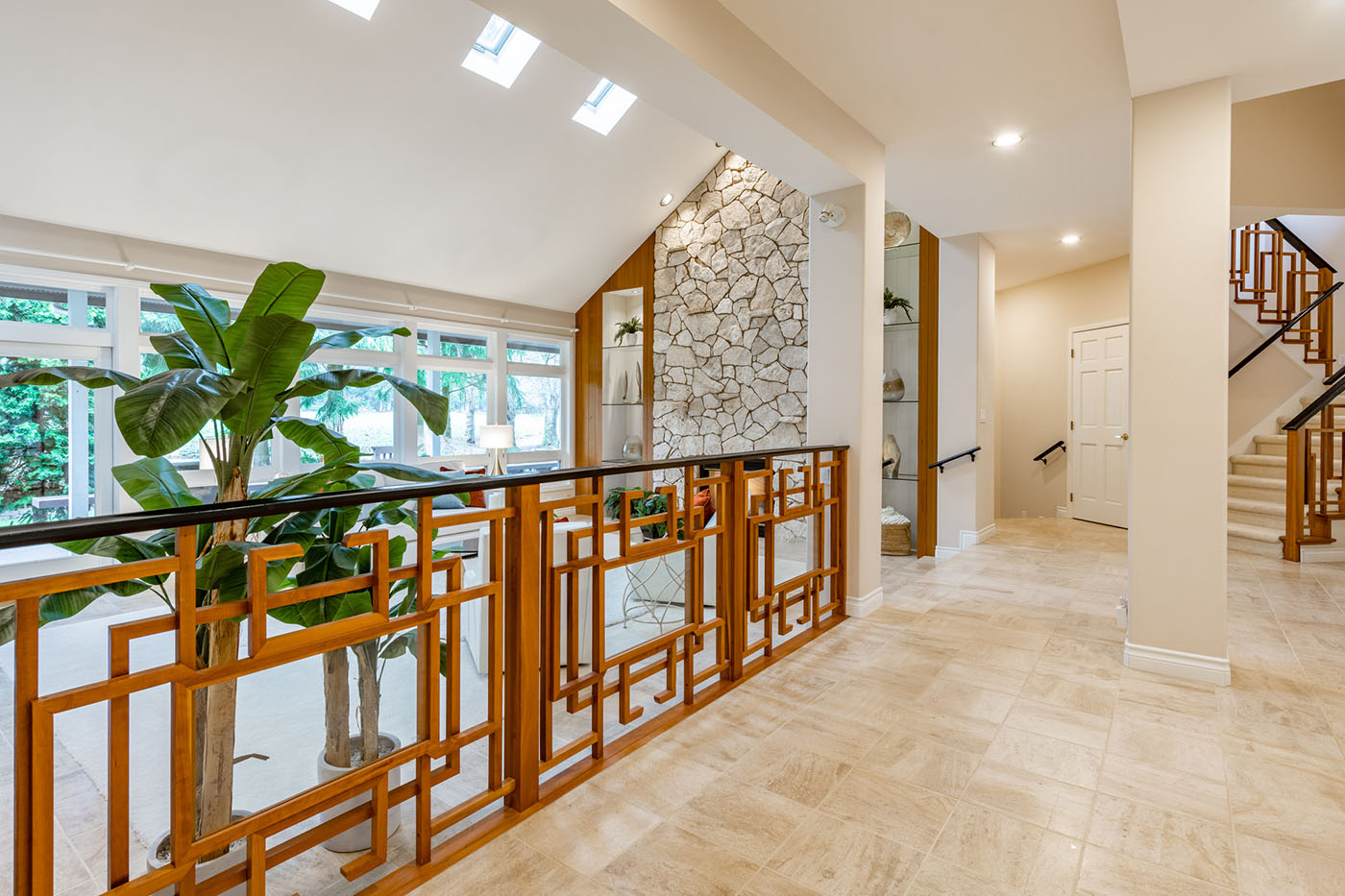
Forget Open Floor Plans, Hybrid is the Hot New Home Design
In the beginning came homes with a handful of small walled-off rooms tucked inside them. By the 1990s all that changed with a pronounced shift toward open floor plans that allowed their occupants to see across multiple rooms.
Where doorways and walls once dominated a home’s interior, mom or dad was now able to cook something in the kitchen while simultaneously chatting with one child in the den and another in the dining room.
An open floor plan can feel invasive and loud without in-home alternatives.
The open floor trend remained trendy until the COVID pandemic, when all of a family’s operations – work, school, and entertainment – were confined to home. Just like that, those same, warm and welcoming open floor plans began to feel invasive and noisy.
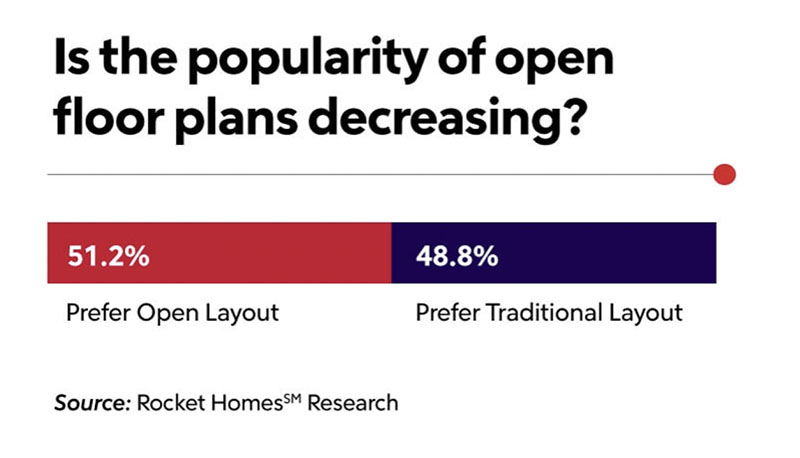
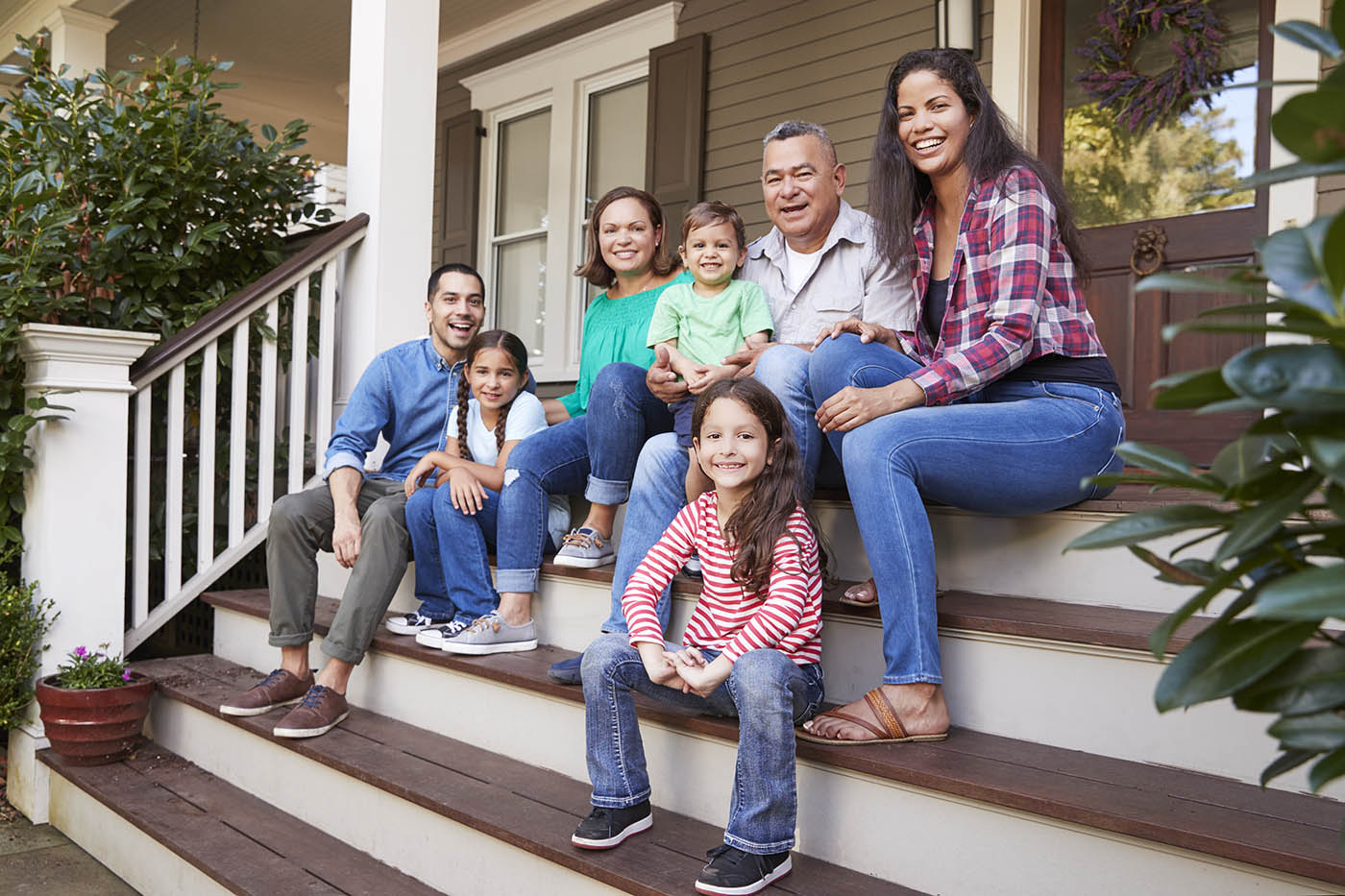
In addition, high interest rates and home prices have led to a dramatic uptick in the percentage of multi-generational homes – young adults living with their parents for lengthier stretches of time. The growing number of home occupants understandably creates a desire for in-home sanctuaries away from the crowds.
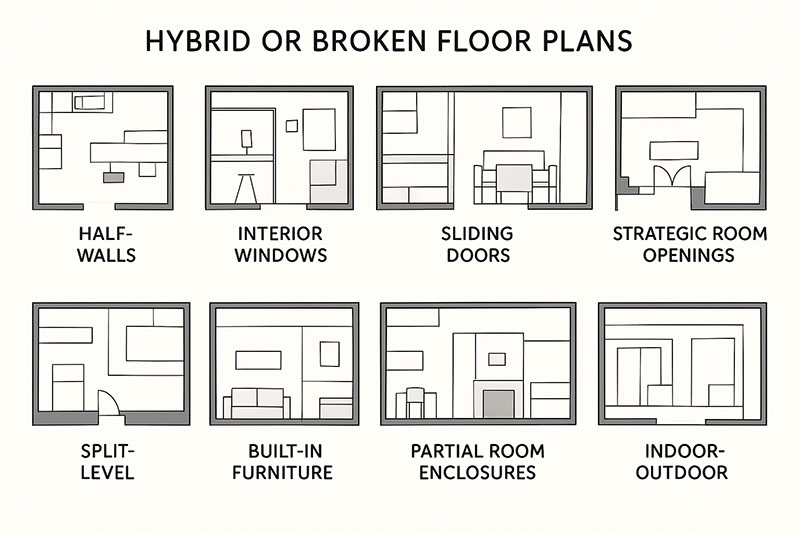
All of which helps to explain why realtors and designers are reporting a growing preference for hybrid or partially zoned layouts.
Understanding Hybrid Layouts
Women, in particular, took the brunt of the pandemic. Studies revealed that many women feeling felt increasingly anxious, depressed, and overworked, in large part due to the extra child care, home schooling, and related burdens associated with 24/7 home life. Those open floor plans didn’t help.
“We have a huge open main level so it’s pretty much impossible to go unnoticed,” said one Northern Virginia mom. “It got to where I felt like I was always on call – by my kids, my husband, even the dog – and there was no place to escape. Eventually I started sneaking out to the garage to sit in the car for some peace and quiet.”
It also got her to thinking she wanted a new layout for her home. “You hear a lot of talk about men and their need for a man cave,” she said. “Well, I realized I needed a kind of wellness zone of my own.”
Today, she and a growing number of other homeowners are looking for a more multifunctional, hybrid approach to home design that still incorporates an open layout for entertaining and shared family activities, but also includes areas for separation and tranquility.
Going Hybrid
There are a number of ways home layouts are being hybridized, but the goal behind these changes remains the same: to create more balanced living plans that place as much priority on privacy and versatility as spaciousness and socializing.
Some of the steps designers and homeowners are taking include:
- Introduction of Half-Walls (aka Pony Walls) – Creates the sense of division without completely closing off an area.
- Interior Windows and Glass Partitions – Separates spaces while still allowing light to pass through.
- Sliding or Pocket Doors – Allows homeowners to create separation when it’s needed without the need for permanent walls.
- Built-Ins or Large Furniture – Doubled-sided fireplaces, shelving units, and bookcases can create functional divisions.
- Partial Enclosures – Introduction of reading nooks, lofts or alcoves for privacy.
- Flooring and Lighting Zones – Changes in flooring and lighting can create a sense of separation.
- Indoor-Outdoor – Turning screened porches into permanent sunrooms, folding walls, sliding doors, and other substantial separators.
Regardless of the approach or the degree to which a home goes hybrid, it seems clear the days of the open floor plan’s dominance are coming to an end.
Share this article
Follow us
Topics covered in this article.
Latest articles
October 22, 2026
October 22, 2026
October 22, 2026